The Grand Canyon is three destinations, not one. The South Rim (Grand Canyon Village) is the postcard, managed by the National Park Service and open year-round. The West Rim (Grand Canyon West, home of the Skywalk) is closer to Las Vegas but sits on Hualapai Tribe land and feels commercial. The North Rim is the quiet, forested version of the canyon, only open roughly mid-May through mid-October. After visits to both the South Rim (Grand Canyon Village and the underrated Desert View entrance) and the West Rim in July 2025, I wrote this guide because every other one pretends there is only one Grand Canyon, and because most Las Vegas day-tour operators quietly send you to the West Rim while marketing “Grand Canyon” in general. You deserve to know which one you're actually paying for.
Park entry
$35 per vehicle · 7 days
From Las Vegas
~2 h (West) · ~4.5 h (South)
From Phoenix
~3.5 h via Flagstaff
From Page, AZ
~2.5 h (South via Desert View)
Best time
Apr – May, Sep – Oct
North Rim season
May 15 – Oct 15 (approx.)
What is the Grand Canyon?
The Grand Canyon is a 277-mile-long, up to 18-mile-wide, and up to one-mile-deep canyon in northern Arizona, carved by the Colorado River over roughly five to six million years. It spans Coconino County and borders Hualapai and Havasupai tribal lands to the west and the Kaibab National Forest to the north and south. Most of it lies inside Grand Canyon National Park, administered by the National Park Service since 1919, and inscribed as a UNESCO World Heritage Site in 1979.
Geologically, the canyon walls expose nearly two billion years of Earth's history. The Great Unconformity (a contact line where 1.2 billion years of missing rock simply vanishes between two adjacent strata) is visible from several South Rim viewpoints, including Yavapai Point. The rim sits at roughly 7,000 ft (South) or 8,200 ft (North), while the Colorado River at the bottom runs at around 2,400 ft. That vertical range alone explains why the canyon has four climate zones and why the North Rim gets snow months after the South Rim warms up.
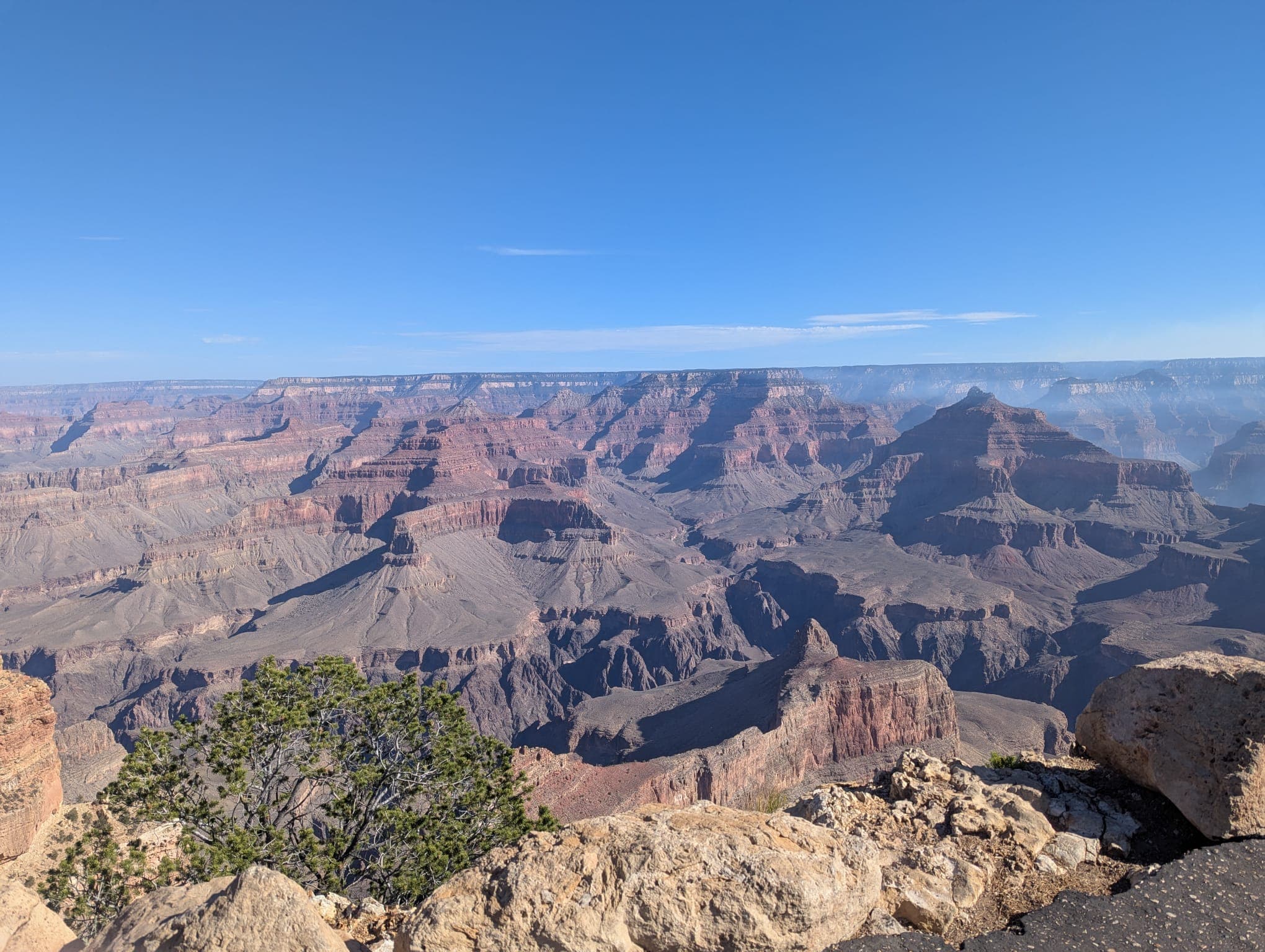
Which Grand Canyon rim should you visit?
This is the single decision that shapes the whole trip, and most first-time visitors make it without realising they had a choice. Here's how the three rims actually differ in 2026:
| Rim | From Vegas | From Page | Peak season | Must-see | Feel | Price tier |
|---|---|---|---|---|---|---|
| South Rim | ~4.5 h drive | ~2.5 h via Desert View | Apr – Oct · busy year-round | Mather Point, Hopi Point, Desert View Watchtower | Classic NPS park · iconic view | $$ |
| West Rim | ~2 h drive | ~5.5 h drive | Mar – Oct | Skywalk, Eagle Point, Guano Point | Commercial · Hualapai-run | $$$ |
| North Rim | ~4.5 h drive (seasonal) | ~2.5 h drive | May 15 – Oct 15 only | Bright Angel Point, Cape Royal, Point Imperial | Forested · 10× quieter than South | $$ |
The honest guidance: South Rim is what you came for if you've only seen the Grand Canyon in photos. Hopi Point at sunset, the Desert View Watchtower, Bright Angel Trail: it's all South Rim. For the viewpoint-by-viewpoint breakdown, see the dedicated South Rim viewpoints guide. West Rim has one genuine draw ( Skywalk) and a good story if you're Vegas-based with one day. North Rim is for returners and road-trippers who want solitude; if you're coming from Page, it's actually the closest of the three.
A detail most Vegas marketing omits: the “Grand Canyon” you see in every helicopter-tour promo photo is usually the West Rim, because that's where the aircraft land. The South Rim is not accessible by Vegas-based helicopter tours except via fly-in small-plane combos with long transit times.
How do you get to the Grand Canyon?
The right entry depends on where you're starting from. Distances and times below are as of April 2026 and assume normal traffic.
From Las Vegas
- West Rim by bus (5–8 h round trip): Cheapest option; most day tours from $100–180. You'll get maybe 2.5 hrs at the rim, photos at Guano Point and Eagle Point, optional Skywalk add-on.
- West Rim by helicopter (4–6 h round trip): $350–600. Direct flight, sometimes landing inside the canyon at the Colorado River. The Vegas-strip scenic flights are this category.
- South Rim by small plane (9–11 h round trip): $400–550. Fly to Grand Canyon Airport (GCN, Tusayan), bus into the park, maybe 3 hrs at the South Rim. The only realistic one-day way to see South Rim from Vegas.
- South Rim self-drive (9+ h round trip): Not recommended as a single day: stay overnight in Tusayan or Williams.
From Page, Arizona
If you're already in Page (for Antelope Canyon or Horseshoe Bend), the South Rim via the Desert View (east) entrance is the most underrated approach to the park: ~2.5 hours on US-89 and AZ-64, and you enter the park at Desert View Watchtower, immediately at a viewpoint, before all the Grand Canyon Village crowds. This is also the shortest drive to North Rim (~2.5 h via Jacob Lake).
From Phoenix
Phoenix Sky Harbor is the biggest airport, but the drive is ~3.5 hours via Flagstaff. Flagstaff itself is a smart overnight stop: ~1.5 hours from South Rim, with Route 66 heritage and cheaper hotels than Tusayan.
From Flagstaff
Flagstaff is the most practical base for South Rim: ~80 miles, 1.5 hours on US-180 or the longer but prettier AZ-89A via Sedona. Groome Transportation runs a shuttle if you don't want to drive.
Whichever origin you pick, a rental car unlocks the canyon: NPS operates free shuttles inside South Rim, but you need wheels to get there in the first place. All free shuttle routes start at the main Grand Canyon Visitor Center at Mather Point; for the full breakdown of which visitor centers do what (and the privately-run “Visitor Center IMAX” in Tusayan that catches out first-time visitors), see the visitor centers guide.
How much does it cost to visit the Grand Canyon?
Pricing varies sharply by rim, because the South and North rims are federal park land and the West Rim is tribal. As of April 2026:
- South Rim / North Rim entry: $35 per vehicle, valid 7 days (all occupants included). Annual America the Beautiful pass is $80 and covers every US national park for a year: worth it from a second park visit onwards (NPS).
- West Rim (Hualapai) entry: $60–80 per person for the general package; Skywalk add-on typically $25–30 on top. Managed directly by the Hualapai Tribe; prices change annually.
- Guided day tours from Vegas: Bus tours $100–180, helicopter tours $350–600, small-plane-plus-bus combos $400–550.
- Lodging inside South Rim: El Tovar, Bright Angel Lodge and Yavapai Lodge run $200–500 per night in peak season; book 6–12 months out. Full lodge-by-lodge breakdown (including Phantom Ranch on the canyon floor and the status of the historic North Rim Lodge after the 2025 fire) in the dedicated Grand Canyon lodges guide.
- Camping: Mather Campground (South Rim) from $18/night; Desert View Campground from $12/night. North Rim Campground from $18/night, seasonal only.
When is the best time to visit the Grand Canyon?
For the South Rim, the sweet spots are April–May and September–October. For the North Rim, your options are narrower and the trade-offs are different.
- January – February: South Rim is open, snow-dusted, 20–40°F, very quiet. Some viewpoint roads (Hermit Road) may be closed to private vehicles, but the NPS shuttle still runs.
- March: Shoulder. Crowds build over spring break. North Rim closed.
- April – May: Best overall. Mild temperatures (50–70°F), clear skies, pre-summer crowds. North Rim typically opens May 15.
- June – August: Hot at South Rim (85–95°F at the rim, 110°F+ inside the canyon), monsoon thunderstorms from mid-July, peak crowds. North Rim stays comfortable (65–75°F). Absolute worst time to attempt a rim-to-rim hike.
- September – October: Second sweet spot. Crowds thin after Labor Day, temperatures drop back to 55–75°F. North Rim closes mid-October.
- November – December: South Rim only; cold, occasional snow, lowest prices of the year. Excellent light for photography.
If you're staying near South Rim, Tusayan is the nearest village (2 miles from the entrance) and Williams (60 miles south) is the cheaper classic Route 66 town base.
Which Grand Canyon helicopter tour from Vegas is worth it?
Helicopter tours from Las Vegas are the single most-searched Grand Canyon product, and they're overwhelmingly the fastest way to see the canyon in one day if you're Vegas-based. Nearly all of them land at West Rim (or fly over it without landing), not South Rim: plan accordingly. These are the four operators I'd book myself, based on a Papillon West Rim landing tour and a Maverick scenic flight in July 2025, plus cross-checks against each operator's own booking engine in May 2026 (full operator-by-operator review at /grand-canyon/helicopter-tours-from-las-vegas/).
Papillon Grand Canyon Helicopters
The oldest operator at the Grand Canyon (since 1965). Largest EcoStar fleet, widest schedule flexibility. I flew with them in 2024: the landing inside the canyon on the West Rim Celebration tour is the reason to pick helicopter over bus.
Maverick Helicopters
Consistently top-rated, ECO-Star helicopters with forward-facing seats, departs from Henderson Executive for a quieter launch. Strongest sunset options of any operator.
Sundance Helicopters
Premium positioning, leather interiors, EC-130 fleet. Their canyon-landing tour with Champagne picnic is the upgrade option if you want more time on the ground.
5 Star Grand Canyon Helicopter Tours
Consistently the most competitive price in the category without feeling budget. Shorter total flight time than Papillon/Maverick, fair given the price gap.
The meaningful upgrade here is any package that includes landing (inside the canyon, usually at the Colorado River) rather than a scenic flyover. If the tour is only aerial, a small-plane tour from Boulder City will usually cost less for similar screen time out the window.
How does the Grand Canyon compare to Antelope Canyon?
They answer completely different questions. The Grand Canyon is about scale, geology and distance: a mile deep, hundreds of miles long, self-guided, and most of the experience is standing still at a viewpoint. Antelope Canyon is about intimacy: narrow sandstone slots you walk through on a 60–90-minute guided tour on Navajo Nation land, with no self-entry allowed. Grand Canyon is free to view (just $35 per car); Antelope Canyon is $60–160 per person because of the mandatory guide. If I had to pick one for a single day, I'd pick Antelope for its photographs and Grand Canyon for its sheer presence. Read the full Antelope Canyon guide →
Can you combine the Grand Canyon with Page, Arizona and Horseshoe Bend?
Yes, and honestly, the South Rim + Page combo is the smartest multi-day itinerary in the region. From Page, it's a 2.5-hour drive on US-89 and AZ-64 to the South Rim's Desert View entrance, so you can easily do Antelope Canyon and Horseshoe Bend day one, then the Grand Canyon day two.
A common three-day road-trip shape: Vegas → Hoover Dam and West Rim flyover (day 1) → drive to Page and Horseshoe Bend sunset (day 2) → Antelope Canyon morning, drive South Rim via Desert View for sunset at Hopi Point (day 3). For the Page-side of this loop specifically, see the Antelope Canyon + Horseshoe Bend one-day combo and the dedicated Page, Arizona pillar guide.
Frequently asked questions
Is the Grand Canyon Skywalk worth it?
It depends. The Skywalk is an additional $60–80 on top of the West Rim tribal entry, photography is banned on the glass bridge itself (you leave cameras in a locker), and the view is impressive but not the iconic South Rim vista most people picture. If you're already at West Rim and have the budget, it's a fun novelty. If you're choosing between West Rim + Skywalk and a trip to South Rim, pick South Rim.
Can you drive from Las Vegas to the South Rim in a day?
Yes, but it's a punishing round trip: roughly 4.5 hours each way plus park-entry queues, for maybe 3 hours at the rim. If South Rim is the goal, stay at least one night; Tusayan (just outside the park) or Williams are the usual bases. For a genuine one-day trip from Vegas, West Rim makes far more sense (about 2 hours drive each way).
Is the North Rim open year-round?
No. The North Rim is typically open from May 15 to October 15. Access roads close when snow arrives; Highway 67 is not ploughed in winter. Always check NPS.gov/grca for current dates before planning a trip; dates shift slightly each year based on weather.
How much time do you need at the Grand Canyon?
South Rim: one full day minimum (Rim Trail + Grand Canyon Village + at least one viewpoint drive), two days ideal if you want Desert View Drive and Hermit Road separately. West Rim: half a day is enough: Guano Point and Eagle Point, done. North Rim: one to two days because you're committing to the drive.
What's the best Grand Canyon viewpoint for sunset?
At South Rim, Hopi Point on Hermit Road is the classic: the canyon opens out west so you get direct sunset light on the buttes. Yaki Point (Kaibab Trail access) has fewer crowds and a very similar view to the east. Mather Point near the main visitor centre is the easiest access but gets crowded. For the full breakdown of the 5 South Rim viewpoints worth your time (and 2 to skip), see the dedicated South Rim viewpoints guide.
Do you need tickets or reservations to enter the Grand Canyon?
Standard park entry (South Rim and North Rim) is first-come, first-served at the gate: no reservation needed for 2026 as of April 2026. Helicopter tours, mule rides, and Phantom Ranch all require bookings (sometimes months ahead). NPS has piloted timed entry in peak summer at South Rim in recent years, so check NPS.gov/grca close to your visit for current status.
Which Grand Canyon tour is best?
It depends on your starting point and budget. From Las Vegas: the best Grand Canyon tour is a West Rim helicopter landing tour with Papillon or Maverick (~$420–550): it covers 105 miles in 45 minutes of flying and puts you on the canyon floor. If budget is the constraint, a West Rim bus tour with Skywalk (~$99–130) is the next best option. If you want the iconic Grand Canyon (the panoramic South Rim view seen in photos and documentaries), the only realistic Las Vegas day option is a fixed-wing combo flight (~$450–550). From Phoenix or Flagstaff, self-driving to the South Rim is the best Grand Canyon experience available, with 4–5 hours of rim access and unrestricted photography from viewpoints like Mather Point and Hopi Point.
What is the best Grand Canyon tour from Las Vegas?
The best Grand Canyon tour from Las Vegas is a West Rim helicopter landing tour with Papillon or Maverick ($420–550 per adult). It covers 105 miles in 45 minutes of flying each way, descends to the canyon floor for 20–40 minutes with champagne, and returns by mid-afternoon: a far better use of a day than a 10–12 hour bus ride. The best bus tour option is a West Rim coach with Skywalk included (~$99–130, 10–12 hours). For the South Rim (the iconic NPS view most people picture), the only realistic Las Vegas day-trip option is a fixed-wing + helicopter combo (~$450–550, long day). If you have two days, self-drive to the South Rim and overnight in Williams or Flagstaff.
What is the fastest way to get to the Grand Canyon from Las Vegas?
The fastest way to get to the Grand Canyon from Las Vegas is by helicopter. Helicopter tours from Las Vegas fly to the West Rim in approximately 45 minutes each way: door-to-door time is 3.5–5 hours including ground time at the canyon. By comparison, driving to the West Rim takes about 2 hours each way (105 miles). The South Rim is 280 miles from Las Vegas, about 4.5 hours by road each way, or reachable in about 2 hours by small plane (fixed-wing tour) to Grand Canyon Airport near Tusayan. If the goal is getting to the canyon floor as fast as possible, a helicopter landing tour from Las Vegas to the West Rim is the only option that does it in under a day without an overnight.
How much does it cost to tour the Grand Canyon from Las Vegas?
Grand Canyon tours from Las Vegas range from $79 to $700+ per adult depending on transport type. West Rim bus tours: $79–130 (10–12 hours, Skywalk usually extra at $35). South Rim bus tours: $150–250 (14–16 hours, park entry and lunch usually included). Helicopter tours to the West Rim: $300–500 for air-only, $400–650 for a landing tour with champagne on the canyon floor. Fixed-wing plane + helicopter combo to the South Rim: $450–550. Self-driving to the West Rim costs $35 in car rental plus the $49–65 tribal entry fee per person. The most popular option by volume is the West Rim helicopter landing tour at $420–480: it replaces 4.5 hours of round-trip driving with 90 minutes of flying.
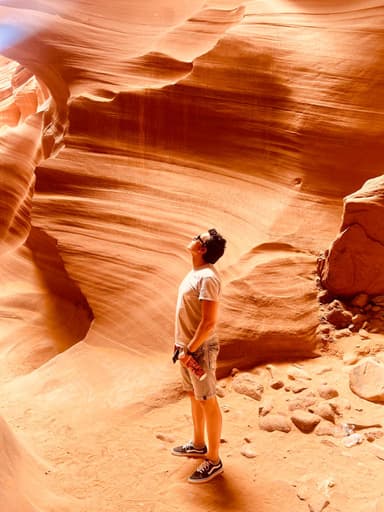
Written by Diego Fresno, travel writer and independent publisher specialising in the American Southwest. Based on visits to both South Rim (Grand Canyon Village and Desert View entrances) and West Rim (Skywalk) in July 2025, plus a Papillon West Rim helicopter landing tour and a Maverick scenic flight from Las Vegas during the same trip. Prices and operator policies verified against each operator's direct website in May 2026. Verified quarterly: last review April 2026. About the author →
Related guides
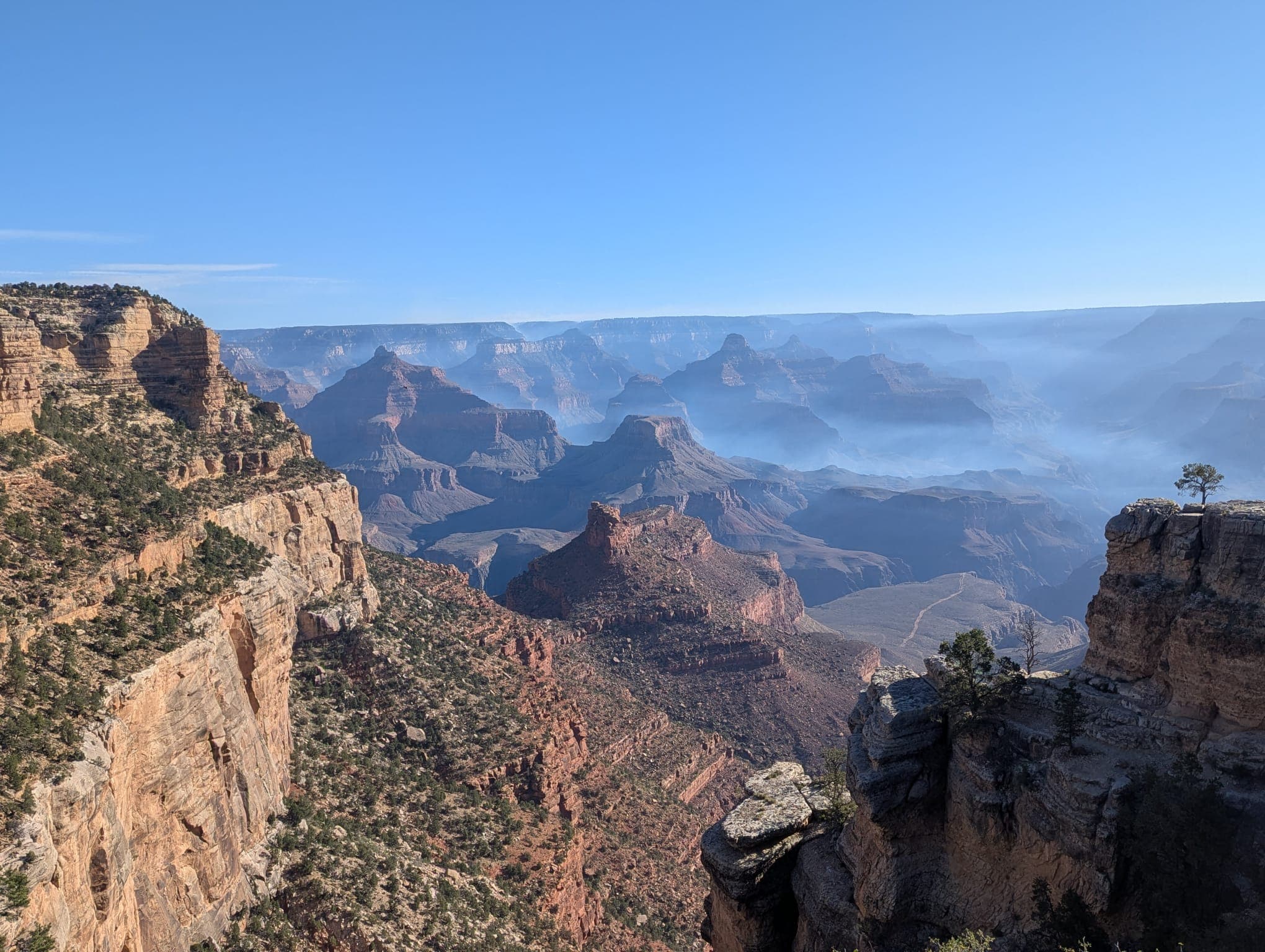
Grand Canyon tours: every type compared (2026)
Helicopter, bus, guided hike, mule, rafting, airplane, railway: what each costs, who each is for, and the best operators per type.
Read more →Grand Canyon North Rim from Las Vegas (2026)
4.5-hour drive each way. Best one-day strategy, where to stop, and whether North Rim is worth it vs South Rim for a Las Vegas day trip.
Read more →Grand Canyon Skywalk: honest verdict (2026)
Photography ban, $80+ price breakdown, and whether it is worth it, or whether South Rim is the better call.
Read more →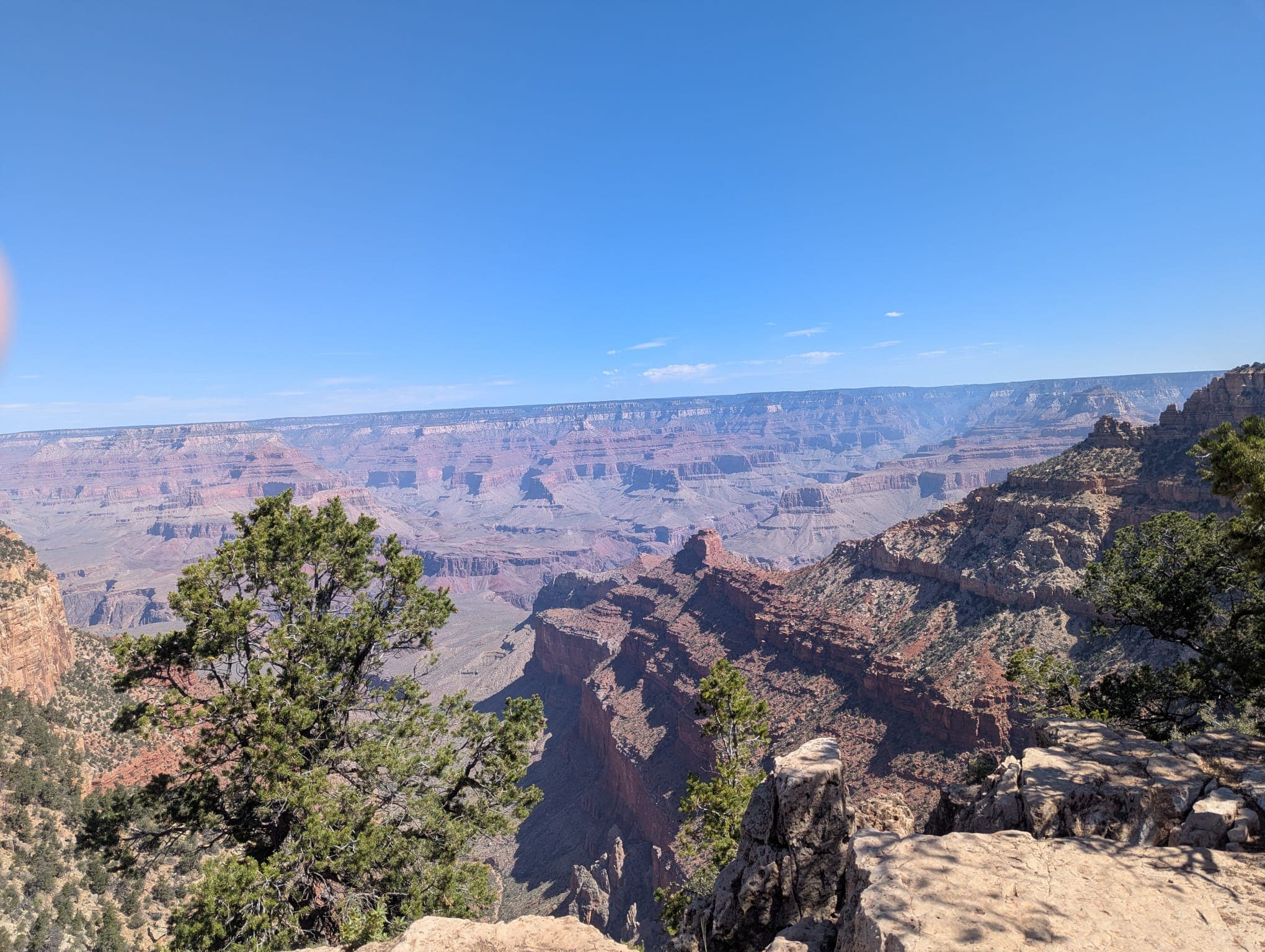
Grand Canyon South Rim viewpoints: the 5 to see
Mather, Yavapai, Yaki, Hopi and Desert View Watchtower: which face east, which face west, free shuttles vs driving.
Read more →Grand Canyon hikes: 8 best trails for every level (2026)
Rim Trail to rim-to-rim: trail distances, elevation, water sources, and honest heat safety advice for every South Rim hike.
Read more →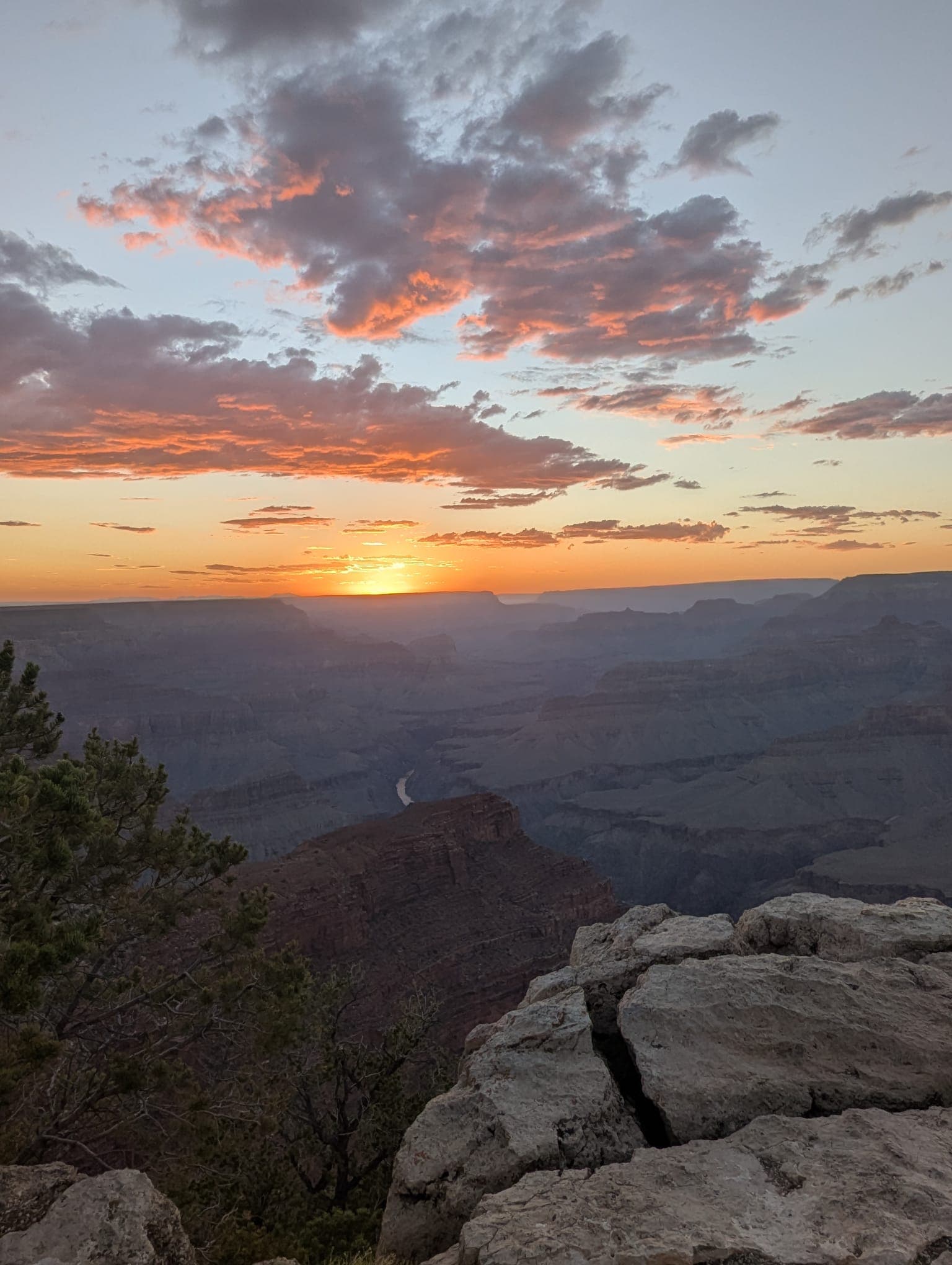
Grand Canyon lodges: every in-park option compared (2026)
The 6 South Rim lodges, Phantom Ranch lottery, and the honest status of the North Rim Lodge after the 2025 fire.
Read more →Grand Canyon visitor centers: every official stop (2026)
The 4 main South Rim VCs, the auxiliary stops, North Rim status post-fire, and the Tusayan IMAX trap explained.
Read more →Best Grand Canyon helicopter tours from Las Vegas
Papillon, Maverick, Sundance, 5 Star and the fixed-wing alternative: operator-by-operator review with current prices.
Read more →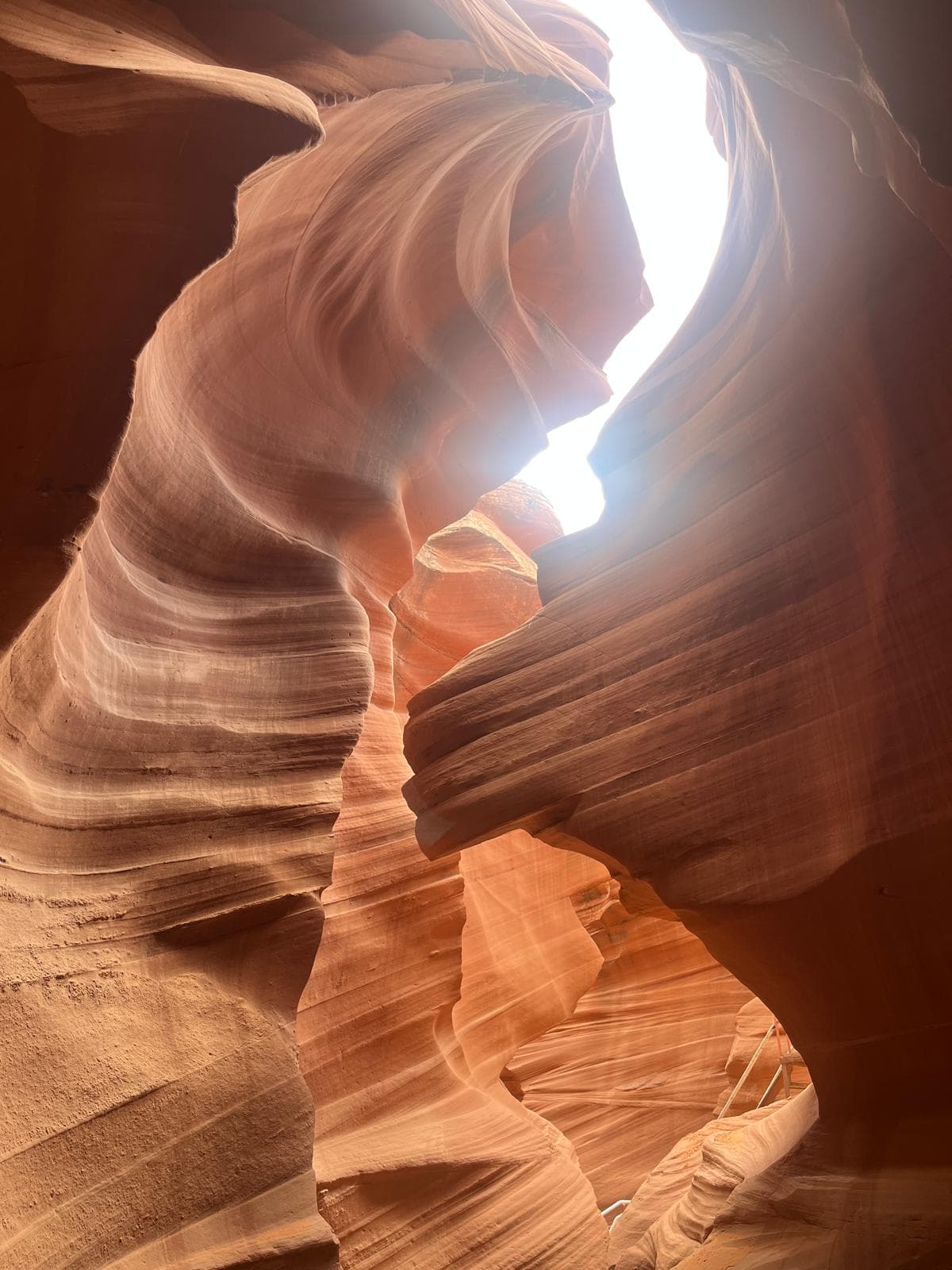
Antelope Canyon: the complete 2026 guide
Upper vs Lower vs Canyon X, Navajo-authorised operators, best time.
Read more →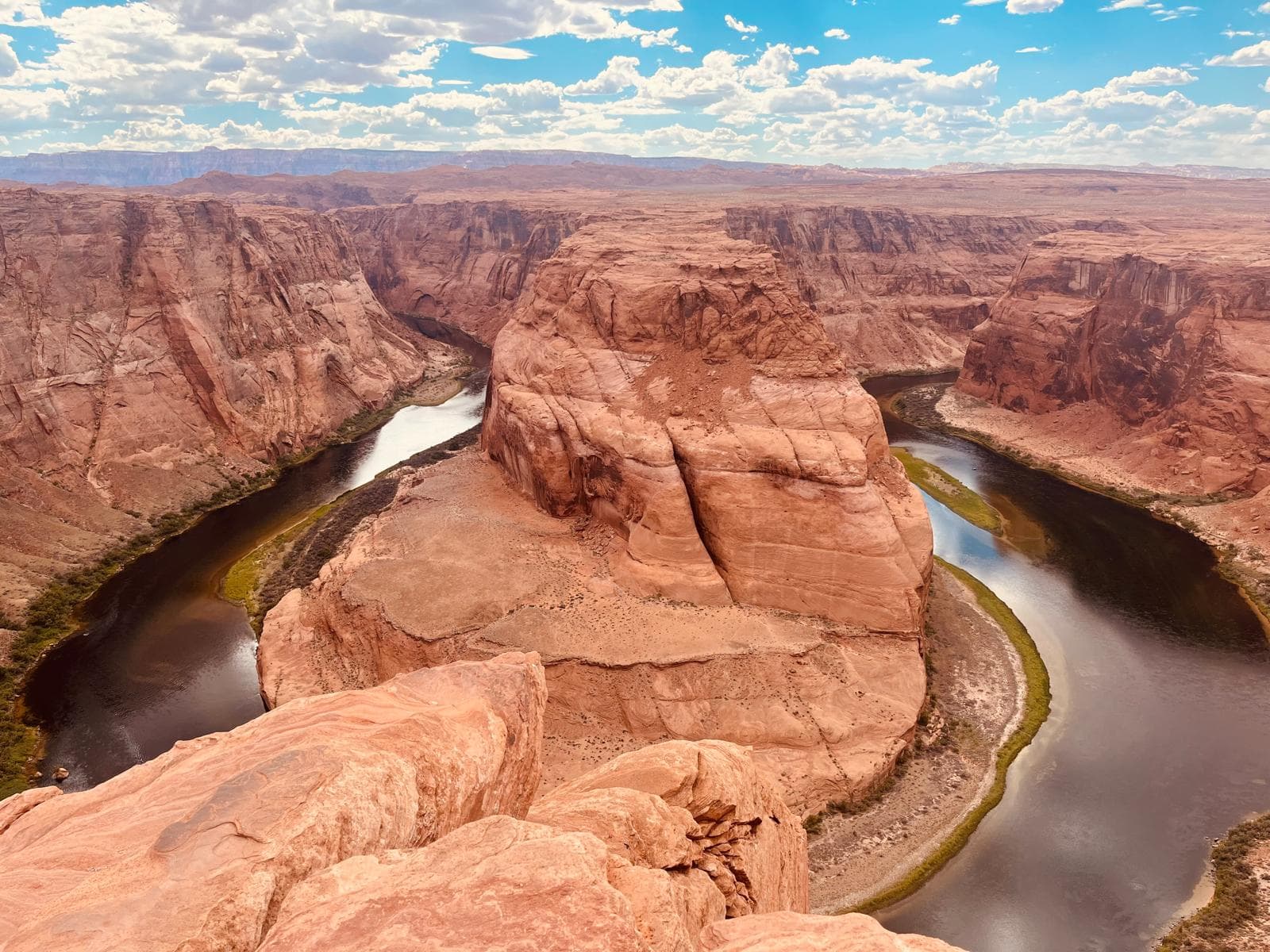
Antelope Canyon to Horseshoe Bend: the perfect one-day combo
Exact driving route, tour start times, combo tour picks.
Read more →
Page, Arizona: the complete base-town guide
Where to stay, eat and drive from, plus 1, 2 and 3-day itineraries.
Read more →