Most visitors who plan an Antelope Canyon trip never hear about the third section. Upper and Lower take ~95% of the marketing oxygen: they are the names on every tour aggregator, every blog post, every “best of Page” list. Canyon X sits further east on Highway 98, on land controlled by a single Navajo family, accessed only via a 4×4 shuttle and operated by exactly one company. It is quieter, more expensive, and visually more like Lower than Upper. After visiting it on the July 2025 field trip (the same trip where I did Upper and Lower), this is the deep dive nobody else in the niche bothers to write.
Location
~7 mi east of Page on US-98
Only operator
Taadidiin Tours
Total tour time
~2.5 hours (incl. shuttle)
Adult price
$105–160 (May 2026)
Light beams
None: geometry like Lower
Crowds
Quietest of the 3 Antelope sections
Quick answer: what is Antelope Canyon X?
Antelope Canyon X is the third public slot canyon in the Antelope system on Navajo Nation land, roughly 7 miles east of Page along Highway 98, separate from Upper and Lower Antelope, accessed only via a 15-minute 4×4 shuttle and operated exclusively by Taadidiin Tours. It is structurally similar to Lower Antelope (a V opening downward into the ground) but sits 5 miles further east along Highway 98. There are no famous vertical light beams here (those are exclusive to Upper Antelope's inverted-V geometry), but Canyon X compensates with what no other Antelope section offers: genuine quiet. On a typical mid-week summer afternoon you may share the canyon with one other small group, or nobody at all.
Why it is called “Canyon X”
The name has a more banal origin than the canyon's mystique suggests. According to our Taadidiin guide on the July 2025 visit, when the Navajo Nation Parks and Recreation Department first opened this section of the canyon system to commercial tour permits (commonly cited as around 2012–2014), the operator wanted a name that distinguished it from Upper Antelope (already heavily branded) and Lower Antelope (also branded). “Canyon X” was effectively a placeholder: the unknown variable, the new third option.
There is also a visual coincidence: viewed from above on satellite imagery, the canyon system at this location shows two narrow tributaries crossing in roughly an X shape. The marketing leaned into that. The name stuck for both reasons. The Navajo name for the immediate area is not Tsé Bighánílíní (which refers specifically to Upper Antelope, “the place where water runs through rocks”). Canyon X is part of a different traditional naming system that visitors rarely encounter in tour material.
Canyon X vs Upper vs Lower at a glance
| Canyon X | Upper Antelope | Lower Antelope | |
|---|---|---|---|
| Geometry | V opening down (like Lower) | V inverted (opens up) | V opening down |
| Light beams | No | Yes (late Mar – early Oct) | No |
| Access | 15-min 4×4 shuttle | Walk from staging | several metal staircases down |
| Operators | 1 (Taadidiin) | 3 (Roger Ekis · Adventurous · Slot Canyon Tours) | 2 (Ken’s · Dixie Ellis’) |
| Tour duration | ~2.5 hrs (incl. shuttle) | ~1.5 hrs | ~1 hr |
| Price (adult) | $105–160 | $90–140 | $60–85 |
| Crowds | Lowest of the three | Highest | High (especially 10 am–2 pm) |
| Best for | Return visitors · quiet seekers | Light-beam photographers | First-time value pick |
For the full side-by-side comparison of just Upper vs Lower (which is the more common decision point), see the dedicated Upper vs Lower Antelope guide. For an operator-by-operator review including the other five in the system, see the Navajo-authorised operators guide. For the full Antelope Canyon system overview see the complete Antelope Canyon pillar guide.
The 4×4 shuttle and the access
Reaching Canyon X is structurally different from reaching Upper or Lower. Upper is a 5-minute walk from a staging area parking lot on Highway 98. Lower is a descent via metal staircases from a similar parking area further east. Canyon X sits well off the road, on rougher Navajo Nation land that has no paved access, so the only way in is the operator's 4×4 shuttle.
The mechanics on the day:
- You drive to the Taadidiin Tours staging area on Highway 98, about 7 miles east of Page. There is a small office, restrooms, and a dirt lot for visitor cars.
- Check-in 30 minutes before your tour. Confirm permit and tip cash, get the safety briefing.
- The shuttle leaves on schedule: an open-air 4×4 truck or modified passenger vehicle, depending on group size. Typically 6–10 visitors per vehicle (occasionally up to 12 if a family group books together).
- 15-minute ride on dirt and sand. The road is rough and dusty; wear sunglasses, secure hats, keep cameras tucked. The drive itself crosses open Navajo land that you would not see on any other Antelope tour, a small bonus.
- You arrive at the canyon entrance, walk a short ~100 m down a sandy slope to the slot opening, and the guide leads you in.
- Total time on the ground inside the canyon: roughly 90 minutes, of the 2.5-hour total. The remaining hour is shuttle there and back plus check-in.
Taadidiin Tours: the only operator
One operator, one permit, one product. Taadidiin Tours has held the Canyon X concession since the area opened commercially, and the Navajo Nation has not added a second operator to this location at any point since. That makes Taadidiin's position structurally different from the Upper and Lower sections, where 2–3 operators compete on price and tour quality.
What this means for visitors:
- Pricing is what it is. No comparison shopping between operators. The $105–160 range is the market.
- Quality is consistent. Single-operator means no race-to-the-bottom on guide training or shuttle maintenance. Taadidiin's reviews on Viator and Tripadvisor sit at 4.9 (the highest average of any Antelope operator), and the operational reliability matches that.
- Inventory is limited. Single operator + small shuttle capacity + remote location = fewer tour slots per day than Upper or Lower. This is also why the crowds inside Canyon X are so much lower: the system itself caps how many people can be in there at once.
Taadidiin Tours: Canyon X
The only operator with permit access to Canyon X. Includes the 15-minute 4×4 shuttle from the Highway 98 staging area, ~90 minutes inside the canyon, plus return shuttle. Smaller groups than any Upper or Lower tour and the highest review average of any Antelope operator.
What to expect inside
Canyon X is structurally a downward-V like Lower Antelope, narrower at the bottom and opening toward a slit of sky overhead, but the proportions differ slightly. The opening above is wider than Lower in places, which lets more diffuse light reach the canyon floor. The walls are similar Navajo Sandstone with the same flowing texture, but the colour palette tends a touch more peach/orange and less deep red than the iconic Upper photographs.
What is genuinely different from both Upper and Lower:
- The canyon is split into two main chambers separated by a short narrow passage. Each chamber has its own character: the first is more sculptural, the second is wider and gets more direct light.
- The floor is largely flat sand, not the descending stairs of Lower. Walking is easy throughout: no ladders, no scrambling. This makes Canyon X more accessible than Lower for older visitors or anyone with knee issues, while delivering most of the same “walking inside a slot” sensation.
- Group size is smaller by structural necessity: typically 6–10 people per tour vs the 11–15 common in Upper. You hear the guide, you have time to compose a photo without a queue.
- Silence. This is the headline feature that no marketing copy captures: on a weekday off-peak you can hear your own footsteps. In Upper at midday in July, the canyon echoes with multiple guides talking over each other in three languages. Canyon X is the antidote.
When to go (no light beams to chase)
The single biggest planning advantage of Canyon X over Upper Antelope: timing is much more flexible. Upper Antelope's photography value is concentrated in a 90-minute midday window between late March and early September when the light beams form. Outside that window, Upper drops in photographic interest.
Canyon X has no equivalent peak window. The lighting inside is diffuse and consistent throughout most of the day, with slightly warmer tones in late morning (10 am–12 pm) and late afternoon (3–4 pm) when the sun angle is shallower and side-lights the upper walls. Mid-morning and mid-afternoon tours both work; the standard advice to “book the first slot of the day for fewer crowds” matters less here because Canyon X is quiet at most slots.
Seasonal notes:
- March–May, September–October: best balance. Mild temperatures, no monsoon risk, manageable crowds even at peak hours.
- June–August: hot (35–40°C in the open during the shuttle ride), and from early July onwards the monsoon flash-flood risk applies to Canyon X the same way it applies to Upper and Lower: see the dedicated Antelope timing guide for the full monsoon-window mechanics. Taadidiin cancels tours during active watches without negotiation.
- November–February: quietest of all. Shorter operating schedule (Taadidiin typically reduces to 4–6 tours per day vs the summer 10+) but you can be alone in the canyon. Cold mornings: bring a layer for the open-air shuttle.
Should you pick Canyon X over Upper or Lower?
By visitor profile, the decision tree:
- First Antelope Canyon trip, want the iconic photograph → Upper Antelope (light beams). Canyon X cannot deliver this shot.
- First trip, value-conscious, want the slot canyon experience → Lower Antelope. Cheaper, faster, equally photogenic for non-beam shots. See Upper vs Lower.
- Return visitor who already did Upper or Lower → Canyon X wins. Different geometry, different colour palette, much quieter, and it actually feels like a new place even though it is the same canyon system.
- Photographer prioritising quiet over the iconic beam → Canyon X. Smaller groups + flexible timing + no queue at each composition = real photographic opportunity.
- Traveller with limited mobility → Canyon X (flat sand floor, no stairs) over Lower (several metal staircases) but not over Upper, which is the most accessible of the three.
- Travelling with kids under 6 → Upper (Canyon X requires the shuttle ride which most operators do not recommend for very young children).
- Budget-constrained day trip from Las Vegas → not Canyon X. Bus tours from Vegas overwhelmingly visit Lower or Upper, not Canyon X, which is harder to integrate into a same-day round trip: see the Las Vegas day-trip guide.
Frequently asked questions
What is Antelope Canyon X?
Antelope Canyon X is the third public slot canyon in the Antelope Canyon system on Navajo Nation land, separate from the better-known Upper and Lower Antelope. It sits roughly 7 miles east of Page along Highway 98 and is accessed via a 15-minute 4×4 shuttle from the staging area. It is operated exclusively by Taadidiin Tours under a single Navajo Nation permit. Total tour time including the shuttle is about 2.5 hours. Tour prices for the standard adult package range from $105 to $160 as of May 2026.
Why is it called "Canyon X"?
The name dates from a brief period in the 2010s when the canyon was being marketed for the first time and the operator wanted a placeholder name distinct from "Upper" and "Lower." The aerial outline of the canyon system at this location also vaguely resembles an X where two side canyons cross, a visual coincidence the marketing leaned into. The name stuck. The Navajo name for the broader area is not the same as "Tsé Bighánílíní" (which refers to Upper Antelope).
Does Antelope Canyon X have light beams?
No. The famous vertical light beams are exclusive to Upper Antelope because of that section's inverted-V geometry. Canyon X is structurally similar to Lower Antelope (a V opening downward), so light enters as broader washes that paint the walls in warm tones, but never as the sharp midday beams of Upper. If your trip is built around capturing the iconic Antelope Canyon photograph, book Upper instead.
How much does an Antelope Canyon X tour cost?
As of May 2026, Taadidiin Tours runs Canyon X tours from $105 to $160 per adult, with the higher end of the range reflecting longer-duration or photography-focused packages. The $15 Navajo Nation permit is included. Children pay a reduced rate (typically 55–75% of the adult rate). Total realistic cost for one adult after tip is $120–175.
Is Canyon X better than Upper or Lower Antelope?
It depends on what you came for. Canyon X is the quietest of the three by a wide margin: you may be the only group inside the canyon for stretches. It is also the most expensive and the only one that requires a 4×4 shuttle to reach. If you have already done Upper or Lower on a previous trip, or if quietness matters more than the iconic light-beam photograph, Canyon X wins. For first-time visitors with one chance at the system, Upper (for beams) or Lower (for value) are the more conventional picks.
Do you need to book Canyon X in advance?
Yes, especially in peak season (May–September). Because Taadidiin Tours is the only operator and the access infrastructure is smaller than Upper or Lower (fewer shuttle slots per day), inventory sells out faster relative to demand. Two to four weeks ahead is the safe window for summer weekends. Outside of peak season, one to two weeks is usually enough. Same-day bookings are essentially never available in summer.
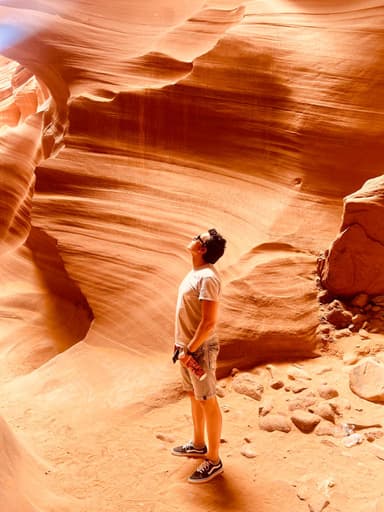
Written by Diego Fresno, travel writer and independent publisher specialising in the American Southwest. This deep dive draws on a July 2025 Canyon X visit with Taadidiin Tours (same week as the Upper and Lower Antelope visits) and current 2026 Taadidiin pricing verified on Viator and the operator website in May 2026. Verified quarterly: last review April 2026. About the author →
Related guides
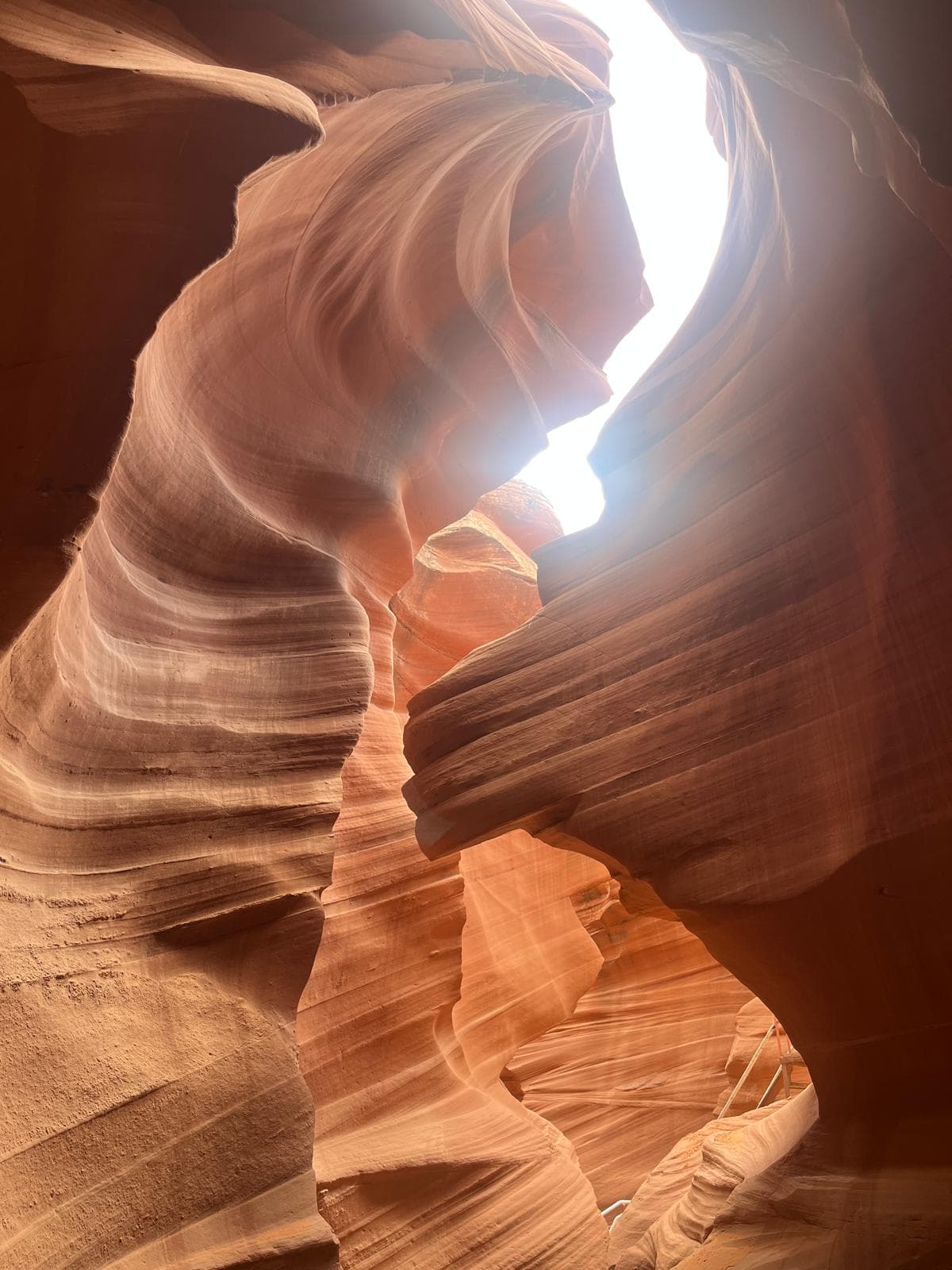
Antelope Canyon: the complete 2026 guide
The full pillar covering Upper, Lower and Canyon X with sections, operators, timing and rules.
Read more →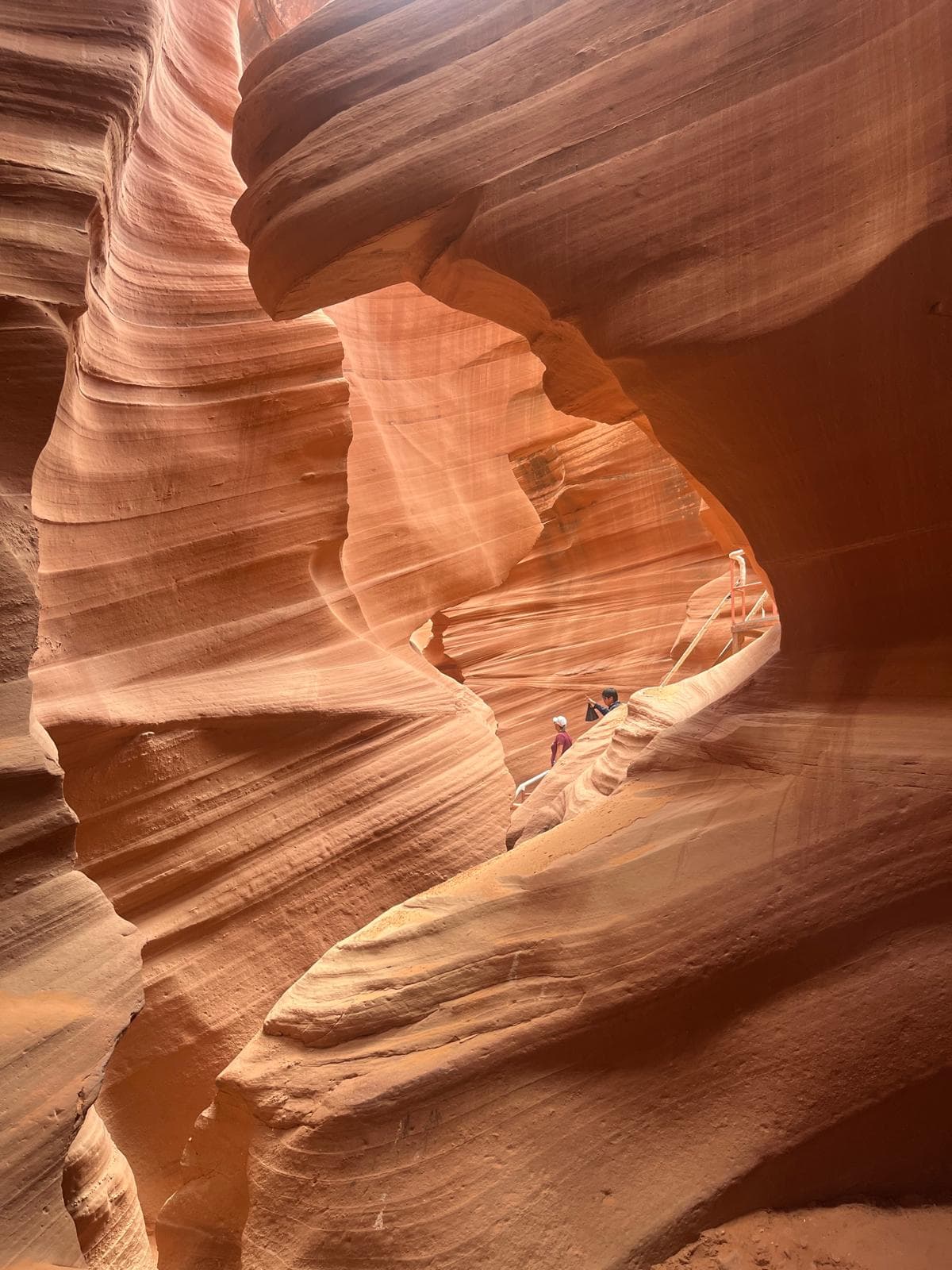
Upper vs Lower Antelope Canyon: which one to pick
The more common decision point for first-time visitors. Section-level comparison with light beams, staircases and crowds.
Read more →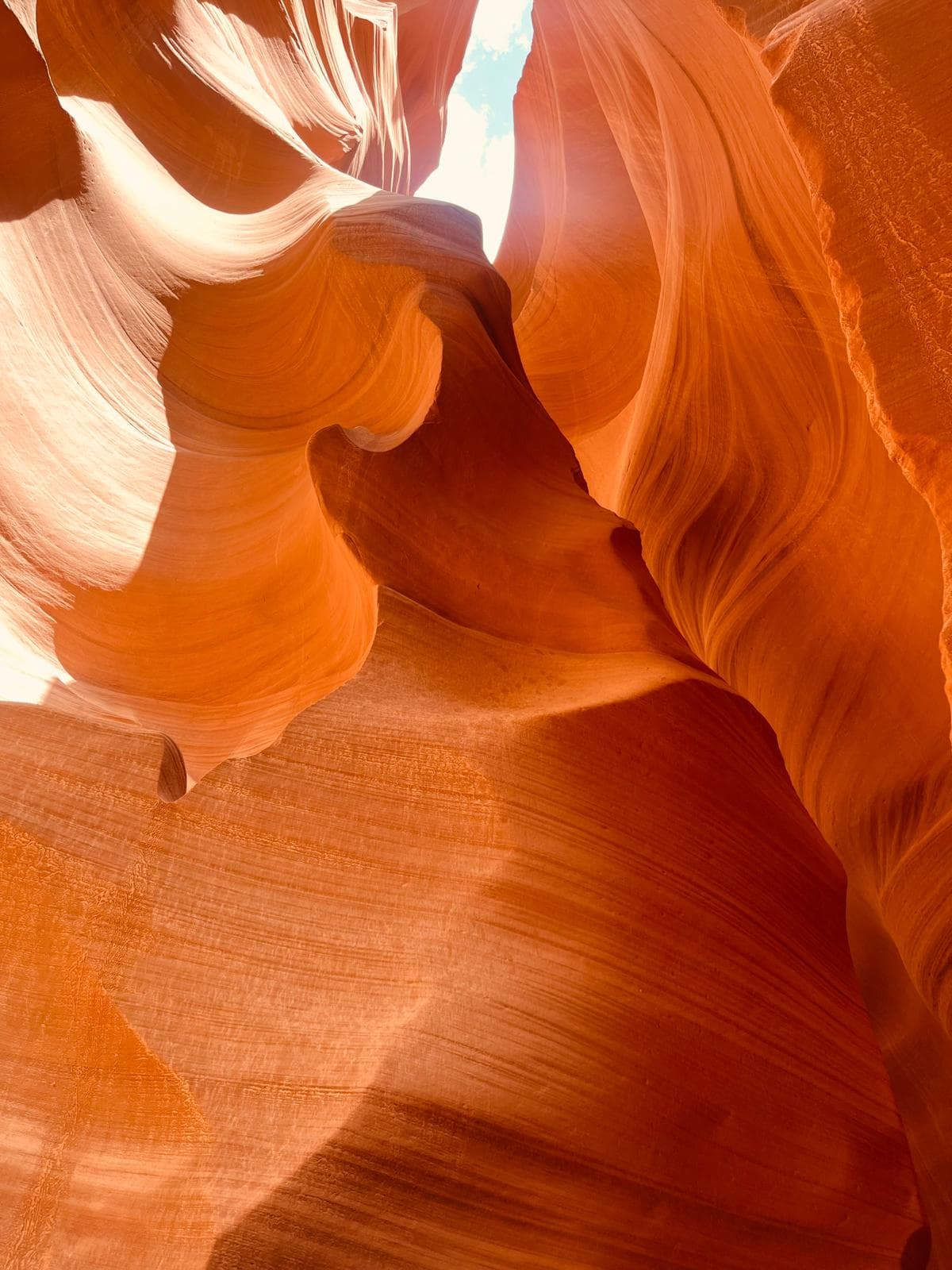
The 6 Navajo-authorised operators compared
Operator-by-operator review including Taadidiin Tours, plus the 5 Upper and Lower operators.
Read more →Canyon X tour operators: how to book (2026)
Taadidiin Tours is the only operator. Prices, departure times, the 4×4 shuttle included, and why booking direct beats Viator.
Read more →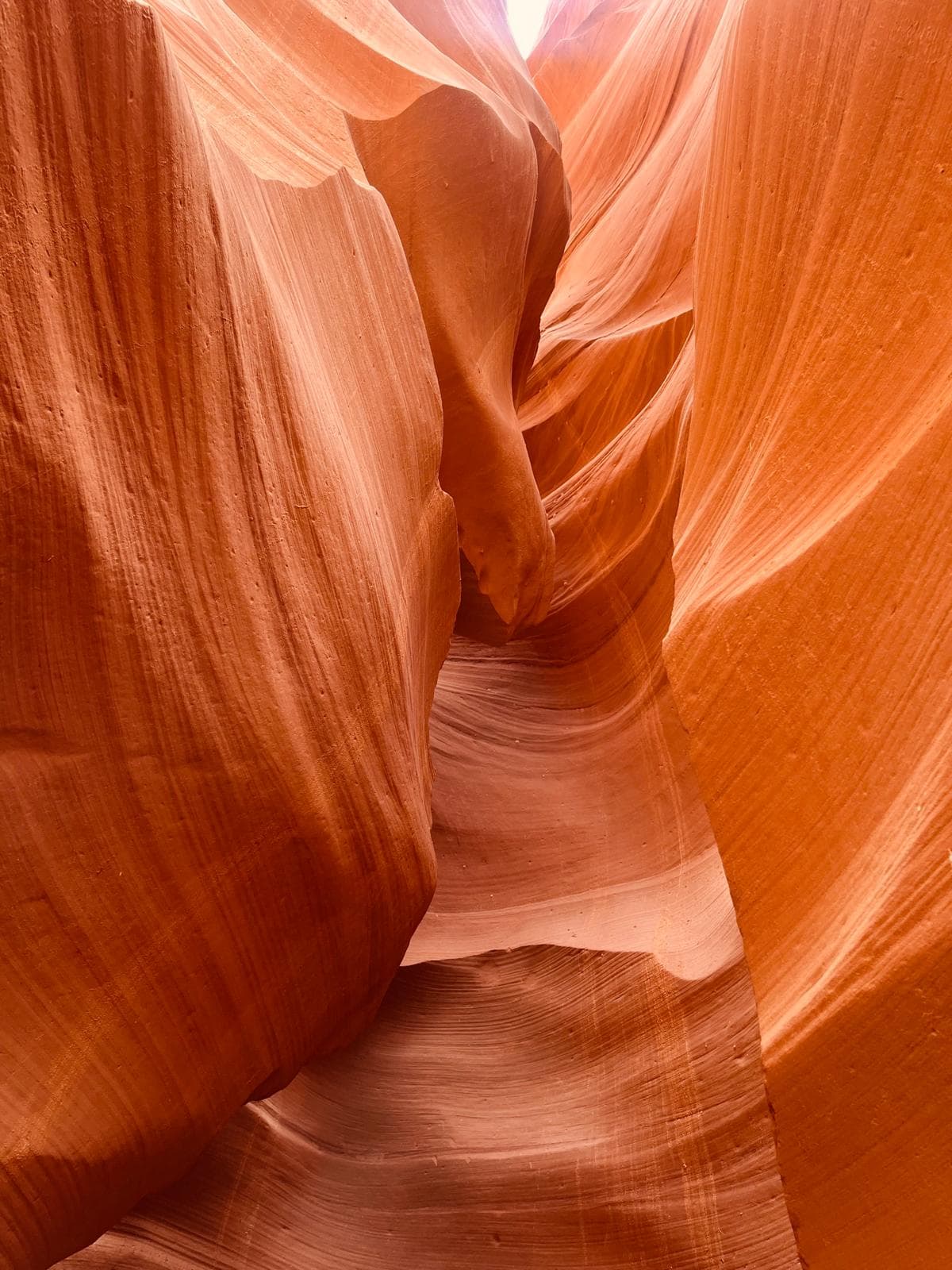
How much does Antelope Canyon cost in 2026?
Section-by-section pricing including the Canyon X $105–160 range, hidden costs and tips.
Read more →