Zion is not one park; it is four different parks depending on when you show up. In February you have the canyon almost to yourself and can drive the scenic road that 4 million summer visitors can only reach by shuttle. In July you are queueing for the shuttle in 100°F heat alongside hundreds of other people, but The Narrows is at its best and the canyon walls are in direct light from dawn to dusk. October brings gold cottonwoods along the Virgin River, empty trailheads, and the best hiking temperatures of the year. The wrong month does not ruin the trip, but the right month lifts it considerably.
Best overall months
Oct, Apr, May
Peak season
Jun – Aug
Shuttle required
Apr – Oct (approx.)
The Narrows closed
Mar – Jun (snowmelt)
Flash flood risk
Jul – Sep (monsoon)
Quietest months
Jan – Feb
Peak heat
Jul – Aug (95–104°F / 35–40°C)
What's the absolute best time to visit Zion?
If you can choose any week of the year, mid-October is the strongest single pick. Temperatures in Zion Canyon run 55–75°F (13–24°C), which is ideal for hiking. The cottonwoods along the Virgin River turn deep gold against the red canyon walls. Crowds are well below summer peak. Shuttle wait times drop to almost nothing. The Narrows is open with low, clear water. And you still have full daylight hours.
The second best window is late April to mid-May: wildflowers are at their peak, temperatures are pleasant, and while crowds are building toward summer, you are still on the lighter side of the season. The one caveat is The Narrows: in some years it remains closed or restricted through May due to snowmelt, so verify the NPS site before committing if that is your main hike.
If The Narrows is the core reason for your trip, target July through September: water levels are lowest and the canyon is most accessible. Accept the heat, the shuttle queues, and a real flash-flood risk in the afternoons in exchange.
Month-by-month breakdown
| Month | Temp (°F / °C) | Crowds | Narrows | Verdict |
|---|---|---|---|---|
| January | 35–52 / 2–11 | Lowest of the year | Usually open (cold) | Drive the scenic road yourself; icy on rims |
| February | 40–57 / 4–14 | Very low | Usually open (cold) | Quiet; snow on high trails |
| March | 46–64 / 8–18 | Building | Often restricted / closed | Wildflowers start; Narrows risky |
| April | 54–73 / 12–23 | Moderate | Closed or restricted | Top spring pick; skip Narrows plan |
| May | 63–83 / 17–28 | High | Opens late May in most years | Wildflowers; Narrows variable |
| June | 72–100 / 22–38 | Peak | Open, good water level | Narrows at its best; very hot |
| July | 78–104 / 26–40 | Peak | Open; afternoon flash-flood risk | Hottest month; arrive before 7 am |
| August | 75–101 / 24–38 | Peak | Open; afternoon flash-flood risk | Thunderstorms most afternoons |
| September | 67–91 / 19–33 | Drops after Labor Day | Open; monsoon tapering | Best after Sep 15 |
| October | 54–75 / 12–24 | Low–moderate | Open, low water | Best month overall; fall colors |
| November | 42–60 / 6–16 | Low | Usually open | Cool; Thanksgiving weekend busy |
| December | 34–52 / 1–11 | Low | Usually open (cold) | Snow on rims; drive scenic road yourself |
Spring: wildflowers but The Narrows may close
Spring is the season most people want and the season that most surprises them. Zion's desert wildflowers are extraordinary from late March through May: sacred datura, desert globemallow and cliffrose appear on the canyon floor, while higher elevations get lupine and Indian paintbrush. Temperatures are comfortable for hiking. This is the window before summer crowds peak.
The complication is The Narrows. Winter snowpack in the high country above Zion melts through spring, raising the Virgin River significantly. The NPS closes The Narrows or restricts access to the lower section when water levels or temperatures make the slot canyon unsafe. In some years that lasts into early June. If The Narrows is on your plan, check the NPS current conditions page the week before you visit, not months in advance, because conditions change quickly. Many visitors book April trips around The Narrows and find it closed on arrival.
The shuttle system typically begins in late March or early April, which means private vehicles are already excluded from the main canyon road by the time the spring wildflower crowds arrive. Arrive at the visitor center before 8 am on spring weekends to avoid shuttle queues.
Summer: peak crowds and real heat
June through August is when Zion gets the largest share of its 4.5 million annual visitors. On a July Saturday, the shuttle at the south entrance visitor center can have a 45-minute wait by 9 am. The canyon floor trail to The Narrows is so busy by mid-morning that passing other groups requires patience. Parking in Springdale fills before 8 am on peak days.
The heat is not just uncomfortable; it is a safety issue. Canyon-floor temperatures routinely hit 95–104°F (35–40°C) in July and August, and the canyon walls reduce the breeze. The NPS issues heat advisories and recommends avoiding strenuous hikes between 10 am and 5 pm in those months. Angels Landing in July at midday is an exercise in caution: the exposed ridge has no shade.
The upside of summer is real. The Narrows is at its best: water levels are at their annual low, the canyon is warm enough to wade without a wetsuit in most years, and the light inside the slot at midday in late June is extraordinary. If you are committed to summer, two moves make a large difference:
- Be at the first shuttle stop before 7 am. The difference between a 6:45 am arrival and an 8:30 am arrival on a July Saturday is the difference between an empty Angels Landing lower switchbacks and a slow-moving queue.
- For The Narrows, go early and get out by noon. Monsoon storms build over the high plateaus from mid-afternoon onward. The NPS issues flash-flood watches for The Narrows with limited warning and closes the canyon immediately. Morning in the slot is both safer and more beautiful: the light enters from above as the sun rises.
A practical note before you book
Antelope Canyon tours sell out weeks ahead in peak season. Most operators offer free cancellation, so locking in a slot now costs nothing if your dates change.
Browse available tours →Zion National Park Small-Group Highlights Tour from Las Vegas
The highest-rated Zion day tour from Las Vegas. Small groups (max 13), hotel pickup included, and a guide who handles the shuttle system, Angels Landing viewpoint, Emerald Pools, and the start of The Narrows. 12-14 hours total; departs around 6 am. Best option for summer visits when shuttle logistics are most complex.
Fall: the sweet spot most visitors miss
The best-kept secret about Zion is that the most beautiful version of the park is in October, and most first-time visitors miss it because they lock in summer dates months in advance. By the first week of October, the cottonwood trees along the Virgin River start turning yellow-gold. By mid-October, the canyon floor is a contrast of red sandstone walls, blue sky and gold riverbank that does not exist at any other time of year. Temperatures are perfect for hiking all day: 55–75°F (13–24°C), no heat advisory required.
After Labor Day (the first Monday of September), visitor numbers drop sharply as the American school year resumes. By mid-September the most congested shuttle stops are manageable. By October you can arrive at 8 am and get on the first available shuttle without any wait. The Narrows is open with clear, low water and cool temperatures that make wading pleasant.
November is also underrated. Temperatures drop further (40–60°F / 4–16°C), but the canyon floor remains accessible and the crowds are very light. Thanksgiving weekend is the one busy exception in November.
Winter: the contrarian pick
Zion in January and February is a different park. The free shuttle does not run, which means you can drive the Zion Canyon Scenic Drive yourself from Canyon Junction all the way to The Temple of Sinawava. Parking at each trailhead is empty. Some days you are the only person on the Riverside Walk. The canyon after a snow dusting, with the white powder contrasting against the red Navajo Sandstone, is one of the most striking landscapes in the American Southwest.
The practical considerations:
- High trails require microspikes or traction devices. Angels Landing above the first set of switchbacks, the West Rim Trail and Observation Point can have ice from November through March. Do not attempt the chains section of Angels Landing in winter without traction devices and experience with icy exposure.
- The Narrows is usually passable but cold. Water temperatures drop to 40–50°F (4–10°C) in winter, making a wetsuit rental from an outfitter in Springdale essential. The NPS restricts access during high-water events, which can occur from winter storms as well as snowmelt.
- Canyon-floor trails are often fine. Riverside Walk, the Pa'rus Trail and the lower Emerald Pools trail typically remain clear and accessible throughout winter.
- Shorter daylight. December and January have roughly nine hours of daylight at this latitude, compared to fourteen hours in June. Plan accordingly for longer hikes.
The Narrows: its own seasonal calendar
The Narrows is one of the most popular hikes in the United States and one of the most timing-sensitive. Unlike most Zion trails, it has a seasonal schedule driven by water level and temperature rather than park hours or permits.
The two closure windows to understand:
- Spring snowmelt (roughly March to late May or early June): Winter snowpack from the high plateaus north of Zion feeds the Virgin River through spring. At high flow, the river rises into the narrows, reducing or eliminating the sandbar walking areas and creating dangerous current. The NPS closes the top-down route (from Chamberlain's Ranch) first and restricts the bottom-up approach from The Temple of Sinawava when conditions are unsafe. The exact closure period varies considerably year to year: a low-snow winter might open The Narrows fully by early May; a heavy snow year can push that to early June.
- Monsoon flash-flood watches (July through mid-September): The Southwest monsoon brings intense afternoon thunderstorms over the high country. A storm 30–50 miles upstream can funnel a wall of water through The Narrows faster than you can exit the slot. The NPS monitors conditions in real time and closes The Narrows at the trailhead with little advance warning when a flash-flood watch is issued. Morning hikes (starting before 9 am, exiting by noon) substantially reduce the risk by getting you out before storms typically build. Never ignore a closure: the NPS rangers enforcing it are not being overcautious.
The most reliably open period for The Narrows is late June through late September (lower water, warmest temperatures) and October through February (low water, cold but accessible with proper gear). Spring is the most unpredictable window.
For the full guide to permits, gear, route options and what to expect inside the canyon:
The Narrows at Zion: complete hiking guide →
Angels Landing permits: when it matters least
Since spring 2022, the full Angels Landing hike (including the chains section above Scout Lookout) requires a permit in all seasons. Permits are distributed by the NPS through two lotteries on Recreation.gov: a seasonal lottery held months in advance for blocks of future dates, and a day-before lottery for same-day hiking.
From a timing perspective, the period when the permit lottery is least competitive is November through March. The day-before lottery in those months has significantly more permits available relative to applicants than the summer equivalent. If securing the permit is a concern, a winter or shoulder-season window is a practical workaround, with the caveat that ice on the chains section requires traction devices and a different level of caution.
In summer (June through August), the seasonal lottery fills out far in advance. Plan to enter the seasonal lottery the moment it opens for your target travel window, and have backup hiking plans for days when the permit does not come through.
The hike below Scout Lookout (West Rim Trail switchbacks, Walter's Wiggles) does not require a permit and is spectacular on its own. The chains section adds exposure rather than length: the permit applies specifically to the section between Scout Lookout and the summit.
Zion National Park: Angels Landing Guided Hike with Permit
The permit (required since 2022, competitive lottery via recreation.gov) is included in the tour price, removing the biggest obstacle for most visitors. 5.4-mile round trip with chains along exposed ridgeline sections. 6-hour guided hike, small groups. Best booked for spring or fall when conditions are optimal.
Angels Landing: full hiking guide with permit strategy →
Time of day matters as much as month
The most common piece of advice for Zion is “go in October,” and it is correct. But a July visit that starts at 6:30 am is better than an October visit that starts at 9:30 am. Time of day shapes the experience at least as much as the season.
- Before 7 am: The shuttle is nearly empty, trailhead parking is available, and the canyon floor trails are quiet. The light on the canyon walls at dawn is richer and more directional than at noon. This is the single most effective move in summer.
- 7 am to 9 am: Still manageable. The shuttle builds. Angels Landing lower switchbacks fill by 8 am on peak days.
- 9 am to 2 pm: Peak hour on the main canyon trails. Shuttle waits are longest. Angels Landing summit is crowded. In summer, heat is at its worst in this window.
- 2 pm to park close: The afternoon wave reverses: visitors who started at 9 am are heading out. Trailheads are quieter. The late-afternoon light on the canyon walls from 4 pm onward is the warmest of the day. On summer days without a monsoon storm, this is a genuinely good window for hikes that stay in the canyon.
The one exception is The Narrows in summer: afternoon entry is exactly when flash-flood risk is highest. Reverse the advice for that hike: start early, exit by noon.
Frequently asked questions
What is the best month to visit Zion National Park?
October is the single best month for most visitors: comfortable temperatures (55–75°F / 13–24°C), fall foliage on the cottonwoods along the Virgin River, manageable crowds compared to summer, and no shuttle wait times over ten minutes. Late April and early May are a close second for those who want spring wildflowers. If you specifically want The Narrows, target July through September, when water levels are lowest.
When is The Narrows open?
The Narrows has no fixed seasonal closure, but the NPS restricts or closes access when conditions are unsafe. Spring snowmelt (roughly March through May or early June, depending on the year) raises the Virgin River significantly, making the canyon dangerous or impassable. July through September brings monsoon flash-flood watches that close The Narrows with short notice. The most reliably open window is mid-June through late September (after the spring flood subsides, before monsoon ends) and October through February (low water, cold but passable with a wetsuit). Always check the NPS Zion website for the current status before you go.
Is Zion open in winter?
Yes, year-round. The Zion Canyon Scenic Drive stays open in winter, and because the seasonal shuttle does not run (roughly December through mid-March), you can drive it yourself to each trailhead. Rim-level trails such as the West Rim above Angels Landing can have ice and require microspikes from November through March. Canyon-floor trails like Riverside Walk and the lower Narrows approach are usually walkable. Crowds are a fraction of summer levels, and the canyon in snow is one of the park's most underrated experiences.
Do you need a permit for Angels Landing year-round?
Yes. As of spring 2022, a permit is required to hike the chains section of Angels Landing in all seasons. Permits are distributed by lottery: a seasonal lottery held months in advance for the coming season, plus a day-before lottery for last-minute spots. Both lotteries are run through Recreation.gov. In shoulder season (November through March) the day-before lottery is less competitive. In June through August, permits are very hard to get without the seasonal lottery.
How crowded is Zion in summer?
Extremely crowded. Zion receives about 4.5 million annual visitors, and the largest share arrives June through August. The Springdale shuttle system at the south entrance often has 30 to 60 minute wait times by 9 am on summer weekends. The Zion Lodge stop and the Narrows trailhead are the most congested. The practical workarounds: arrive before 7 am, or enter after 3 pm when the midday wave has cleared. Mid-week is significantly quieter than Saturday or Sunday.
When does the free shuttle run?
The Zion Canyon Shuttle runs roughly from late March or early April through the first weekend of November, though the exact start and end dates vary by year. During shuttle season, private vehicles cannot drive the Zion Canyon Scenic Drive beyond Canyon Junction. Outside shuttle season, you can drive the full road yourself at no extra charge. The shuttle is free with your park entrance fee.
Hero photo: “Autumn colours in SW Utah, Zion Park on Hwy 9” by randreu / Wikimedia Commons, CC BY-SA 2.0.
Written by Diego Fresno, travel writer specialising in the American Southwest. This guide is based on visits to Zion National Park and cross-checked against current NPS operating information for 2026. Verified quarterly: last review April 2026. About the author →
Related guides
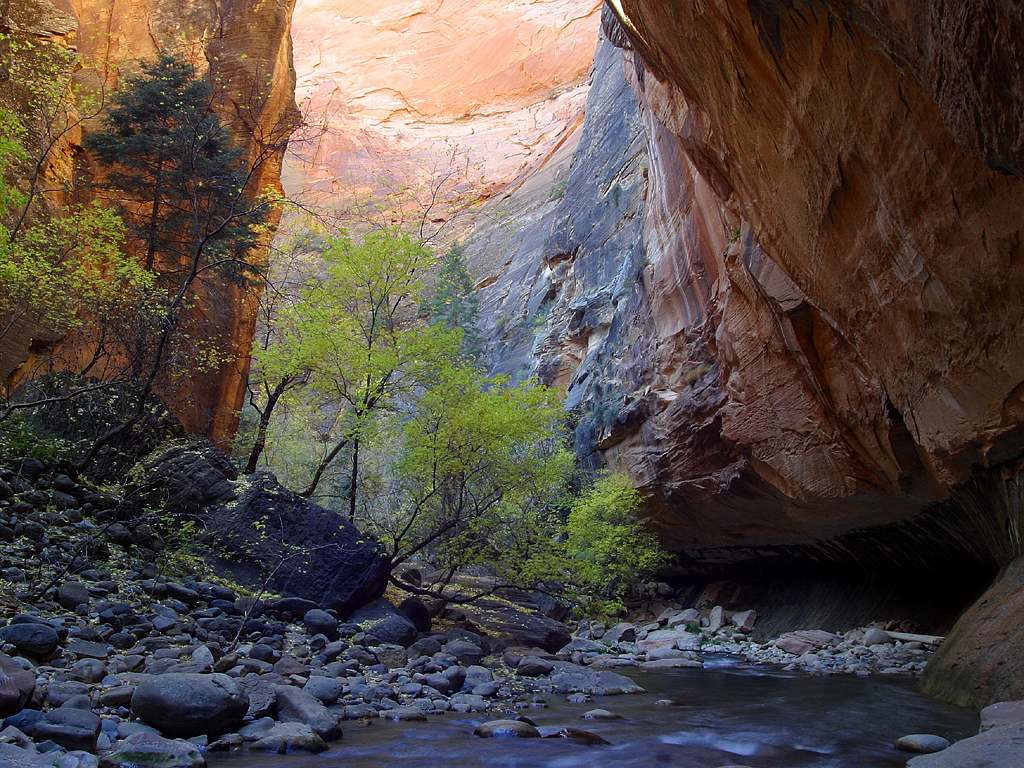
The Narrows at Zion: complete hiking guide
Permits, gear, top-down vs bottom-up, and how to time your visit around snowmelt and monsoon closures.
Read more →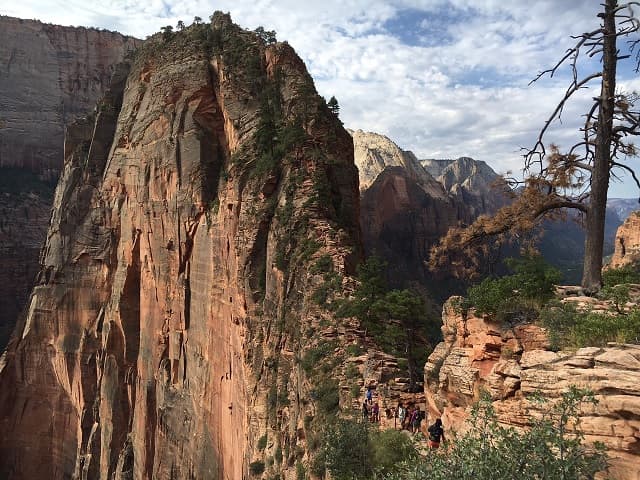
Angels Landing: chains, permits and what to expect
Permit lottery strategy, what the chains section actually feels like, and whether it is worth doing in your season.
Read more →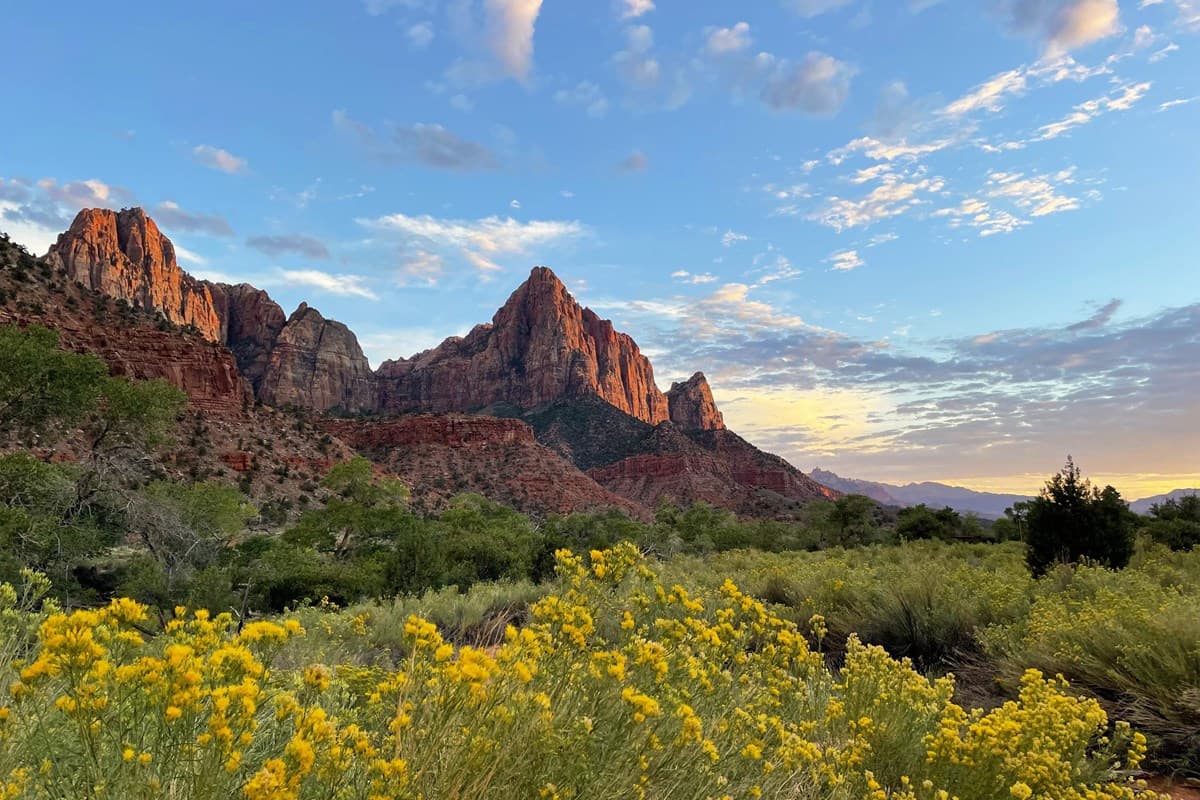
Best hikes in Zion National Park (2026)
From the Riverside Walk to Observation Point: all the major trails ranked by difficulty, season and what you get at the top.
Read more →